(07) 3279 6199 - Unit 1/28 Sumners Road, Darra QLD 4076
(07) 3279 6199 - Unit 1/28 Sumners Road, Darra QLD 4076
(07) 3279 6199 - Unit 1/28 Sumners Road, Darra QLD 4076

Dental Hygiene & How Important Is It?
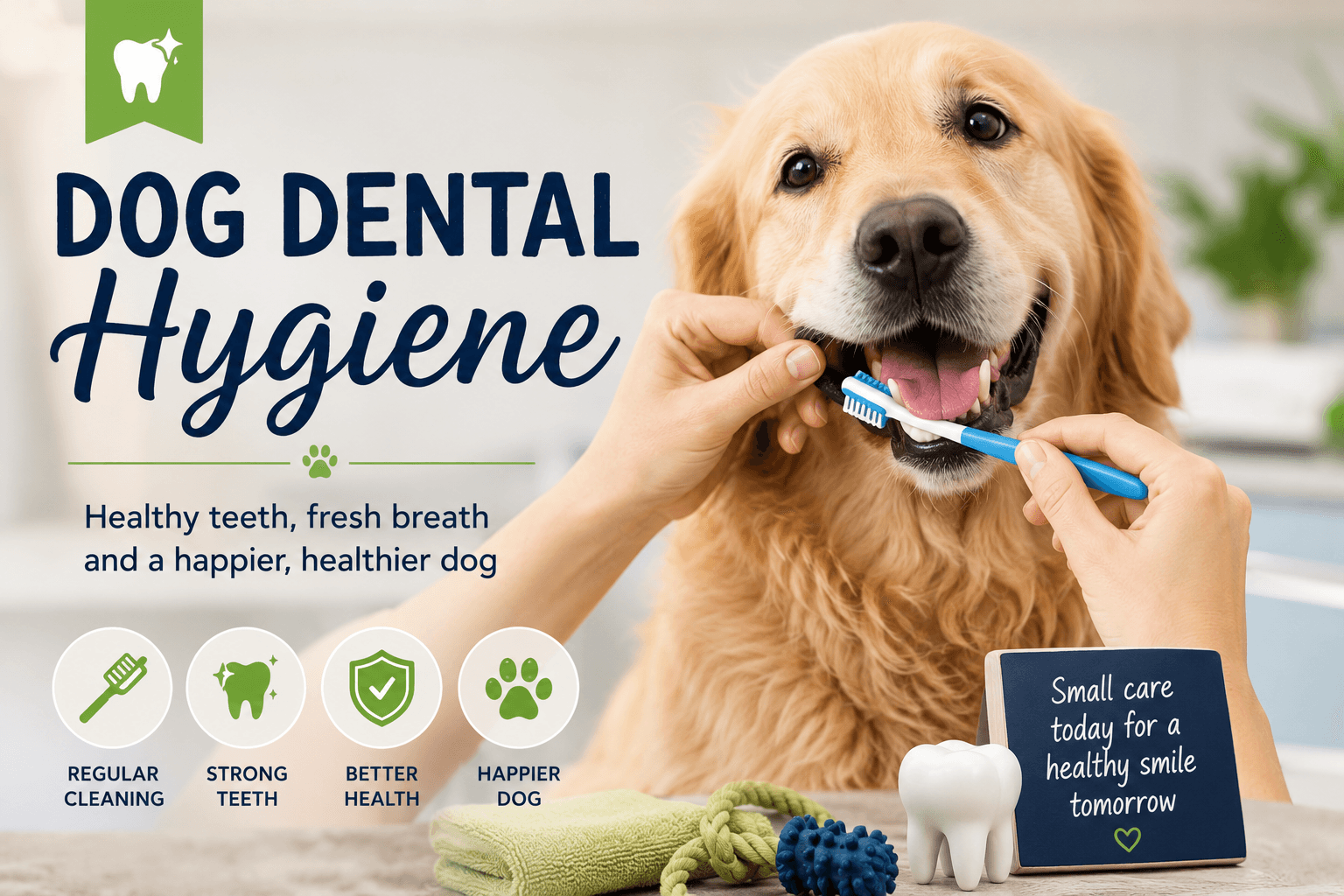
Dog Dental Health: How Often Should Your Dog Have Their Teeth Checked?
Why Dental Care Is One of the Most Important Parts of Your Dog's Health
When most owners think about keeping their dog healthy, they focus on exercise, nutrition, grooming, and vaccinations. However, one of the most overlooked areas of canine health is dental care.
Just like humans, dogs can develop plaque, tartar, gum disease, infections, and tooth decay. Left untreated, dental disease can cause pain, bad breath, tooth loss, and even affect major organs such as the heart, liver, and kidneys.
The good news? With regular dental checks and a good home-care routine, many dental issues can be prevented before they become serious.
How Common Is Dental Disease in Dogs?
Dental disease is one of the most common health conditions seen by veterinarians. In fact, studies estimate that over 80% of dogs show signs of dental disease by the age of three.
Because dogs are experts at hiding discomfort, many owners don't realise there's a problem until the disease has progressed significantly.
How Often Should Dogs Have Their Teeth Checked?
Most veterinarians recommend:
Puppies
Dental checks should be performed during routine vaccination appointments and health checks to ensure adult teeth are developing correctly.
Adult Dogs
A professional dental assessment should be performed at least once every 12 months as part of their annual health examination.
Senior Dogs
Older dogs or breeds prone to dental issues may benefit from dental checks every 6 months.
Your veterinarian can recommend a schedule based on your dog's age, breed, and dental history.
Having dental examinations does not mean they need to have dental surgery. This is just a quick check up to ensure that their teeth & gum hygiene looks healthy & how to improve it.

How to Reduce the Number of Dental Procedures Your Dog Needs
The best dental treatment is prevention.
By implementing a regular dental care routine, many dogs can significantly reduce the frequency and severity of professional dental procedures.
Brush Your Dog's Teeth Regularly
Daily brushing is considered the gold standard for dental care.
While brushing every day is ideal, even brushing several times per week can make a significant difference.
Always use:
Dog-specific toothbrushes
Finger brushes
Veterinary-approved dog toothpaste
Never use human toothpaste as it contains ingredients that can be harmful to dogs.
Provide Dental Chews
Quality dental chews can help reduce plaque and tartar build-up while satisfying your dog's natural chewing instincts.
Look for products approved by veterinary dental organisations where possible.
Feed a Quality Diet
A balanced diet supports overall oral health.
Some veterinary dental diets are specifically designed to help reduce plaque accumulation through their kibble size and texture.
Encourage Safe Chewing
Appropriate chew toys can help mechanically remove plaque from teeth.
Good options include:
Dental chew toys
Rubber enrichment toys
Veterinary-recommended dental products
Raw carrots!
Avoid extremely hard items that may fracture teeth, such as antlers, cooked bones, or hard nylon products.
Playing tug-o-war games with fleecy rope toys is often a fun alternative to help clean teeth. The soft fabric acts as a floss like alternative to get between teeth when playing. Be sure to not leave dogs unsupervised with toys if they are strong chewers or eat toys.
Schedule Regular Veterinary Checks
Early intervention can prevent minor plaque build-up from progressing into advanced dental disease requiring extractions.
Why Professional Dental Cleanings Are Sometimes Necessary
Even with excellent home care, some dogs will still require professional dental procedures.
Factors such as genetics, breed, age, jaw shape, and existing dental conditions all influence dental health.
Small breeds including:
Cavaliers
Chihuahuas
Toy Poodles
Yorkshire Terriers
Maltese
are particularly prone to dental disease due to crowded teeth and smaller mouths.
Professional dental procedures allow veterinarians to:
Remove tartar below the gum line
Assess tooth roots
Identify hidden infections
Extract damaged teeth if necessary
Prevent further disease progression
The Hidden Risks of Poor Dental Hygiene
Many owners think dental disease simply causes bad breath.
Unfortunately, the consequences can be far more serious.
Bacteria from infected gums can enter the bloodstream and potentially affect:
Heart health
Kidney function
Liver health
Overall immune system function
Chronic dental pain can also impact your dog's quality of life, activity levels, appetite, and behaviour.
Building a Dental Routine at Home
A simple weekly routine can make a huge difference:
Daily
Brush teeth if possible
Check for signs of redness or irritation
Weekly
Inspect gums and teeth
Offer appropriate dental chews
Monitor breath quality
Every 6–12 Months
Book a veterinary dental assessment
Discuss any concerns with your veterinarian
Consistency is the key to long-term dental health.
Frequently Asked Questions
How often should I brush my dog's teeth?
Daily brushing is ideal, but even 3–4 times per week can significantly reduce plaque and tartar build-up.
What age should I start brushing my puppy's teeth?
As soon as your puppy is comfortable with handling, usually from around 8–12 weeks of age. Starting young helps them accept the process as adults.
Are dental chews enough to keep teeth clean?
Dental chews can help, but they should not replace brushing and regular veterinary dental checks.
How often do dogs need professional dental cleaning?
This varies greatly. Some dogs may only need cleaning every few years, while others may require annual procedures depending on breed, genetics, and home care.
Is bad breath normal in dogs?
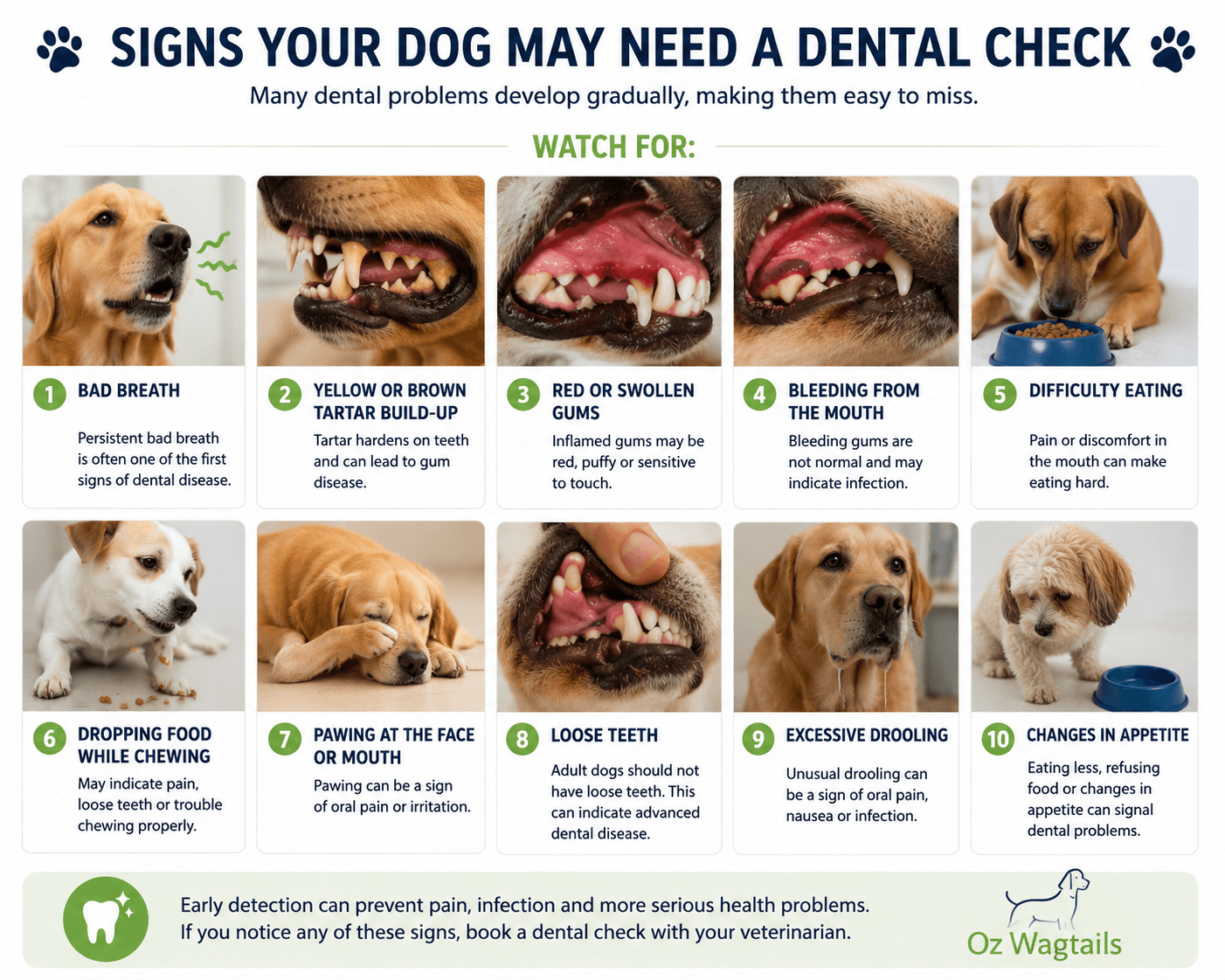
No. Persistent bad breath is often one of the first signs of dental disease and should be investigated.
Can dental disease cause serious health problems?
Yes. Advanced dental disease can lead to infections, tooth loss, chronic pain, and may contribute to heart, liver, and kidney issues.
What breeds are most prone to dental disease?
Small breeds such as Chihuahuas, Maltese, Yorkshire Terriers, Toy Poodles, and Cavaliers often experience dental problems earlier than larger breeds.
Can grooming appointments help identify dental issues?
Absolutely. Groomers often notice bad breath, tartar build-up, facial swelling, or oral discomfort and may recommend veterinary assessment if concerns are observed.
Healthy Teeth Mean a Happier Dog
Good dental hygiene is one of the simplest ways to improve your dog's overall health and quality of life. By combining regular veterinary dental checks, at-home care, and preventative measures, you can help your dog avoid painful dental disease and enjoy a healthier future.
At Oz Wagtails, we're passionate about every aspect of canine wellbeing. While we're keeping your dog's coat looking its best, we're also keeping an eye out for signs that may indicate they need a little extra care—including potential dental concerns.
When your dog is visiting our centre, our team keep an eye out for any of these issues & let owners know for early signs to get a vet check.
Dog Dental Health: How Often Should Your Dog Have Their Teeth Checked?
Why Dental Care Is One of the Most Important Parts of Your Dog's Health
When most owners think about keeping their dog healthy, they focus on exercise, nutrition, grooming, and vaccinations. However, one of the most overlooked areas of canine health is dental care.
Just like humans, dogs can develop plaque, tartar, gum disease, infections, and tooth decay. Left untreated, dental disease can cause pain, bad breath, tooth loss, and even affect major organs such as the heart, liver, and kidneys.
The good news? With regular dental checks and a good home-care routine, many dental issues can be prevented before they become serious.
How Common Is Dental Disease in Dogs?
Dental disease is one of the most common health conditions seen by veterinarians. In fact, studies estimate that over 80% of dogs show signs of dental disease by the age of three.
Because dogs are experts at hiding discomfort, many owners don't realise there's a problem until the disease has progressed significantly.
How Often Should Dogs Have Their Teeth Checked?
Most veterinarians recommend:
Puppies
Dental checks should be performed during routine vaccination appointments and health checks to ensure adult teeth are developing correctly.
Adult Dogs
A professional dental assessment should be performed at least once every 12 months as part of their annual health examination.
Senior Dogs
Older dogs or breeds prone to dental issues may benefit from dental checks every 6 months.
Your veterinarian can recommend a schedule based on your dog's age, breed, and dental history.
Having dental examinations does not mean they need to have dental surgery. This is just a quick check up to ensure that their teeth & gum hygiene looks healthy & how to improve it.
How to Reduce the Number of Dental Procedures Your Dog Needs
The best dental treatment is prevention.
By implementing a regular dental care routine, many dogs can significantly reduce the frequency and severity of professional dental procedures.
Brush Your Dog's Teeth Regularly
Daily brushing is considered the gold standard for dental care.
While brushing every day is ideal, even brushing several times per week can make a significant difference.
Always use:
Dog-specific toothbrushes
Finger brushes
Veterinary-approved dog toothpaste
Never use human toothpaste as it contains ingredients that can be harmful to dogs.
Provide Dental Chews
Quality dental chews can help reduce plaque and tartar build-up while satisfying your dog's natural chewing instincts.
Look for products approved by veterinary dental organisations where possible.
Feed a Quality Diet
A balanced diet supports overall oral health.
Some veterinary dental diets are specifically designed to help reduce plaque accumulation through their kibble size and texture.
Encourage Safe Chewing
Appropriate chew toys can help mechanically remove plaque from teeth.
Good options include:
Dental chew toys
Rubber enrichment toys
Veterinary-recommended dental products
Raw carrots!
Avoid extremely hard items that may fracture teeth, such as antlers, cooked bones, or hard nylon products.
Playing tug-o-war games with fleecy rope toys is often a fun alternative to help clean teeth. The soft fabric acts as a floss like alternative to get between teeth when playing. Be sure to not leave dogs unsupervised with toys if they are strong chewers or eat toys.
Schedule Regular Veterinary Checks
Early intervention can prevent minor plaque build-up from progressing into advanced dental disease requiring extractions.
Why Professional Dental Cleanings Are Sometimes Necessary
Even with excellent home care, some dogs will still require professional dental procedures.
Factors such as genetics, breed, age, jaw shape, and existing dental conditions all influence dental health.
Small breeds including:
Cavaliers
Chihuahuas
Toy Poodles
Yorkshire Terriers
Maltese
are particularly prone to dental disease due to crowded teeth and smaller mouths.
Professional dental procedures allow veterinarians to:
Remove tartar below the gum line
Assess tooth roots
Identify hidden infections
Extract damaged teeth if necessary
Prevent further disease progression
The Hidden Risks of Poor Dental Hygiene
Many owners think dental disease simply causes bad breath.
Unfortunately, the consequences can be far more serious.
Bacteria from infected gums can enter the bloodstream and potentially affect:
Heart health
Kidney function
Liver health
Overall immune system function
Chronic dental pain can also impact your dog's quality of life, activity levels, appetite, and behaviour.
Building a Dental Routine at Home
A simple weekly routine can make a huge difference:
Daily
Brush teeth if possible
Check for signs of redness or irritation
Weekly
Inspect gums and teeth
Offer appropriate dental chews
Monitor breath quality
Every 6–12 Months
Book a veterinary dental assessment
Discuss any concerns with your veterinarian
Consistency is the key to long-term dental health.
Frequently Asked Questions
How often should I brush my dog's teeth?
Daily brushing is ideal, but even 3–4 times per week can significantly reduce plaque and tartar build-up.
What age should I start brushing my puppy's teeth?
As soon as your puppy is comfortable with handling, usually from around 8–12 weeks of age. Starting young helps them accept the process as adults.
Are dental chews enough to keep teeth clean?
Dental chews can help, but they should not replace brushing and regular veterinary dental checks.
How often do dogs need professional dental cleaning?
This varies greatly. Some dogs may only need cleaning every few years, while others may require annual procedures depending on breed, genetics, and home care.
Is bad breath normal in dogs?
No. Persistent bad breath is often one of the first signs of dental disease and should be investigated.
Can dental disease cause serious health problems?
Yes. Advanced dental disease can lead to infections, tooth loss, chronic pain, and may contribute to heart, liver, and kidney issues.
What breeds are most prone to dental disease?
Small breeds such as Chihuahuas, Maltese, Yorkshire Terriers, Toy Poodles, and Cavaliers often experience dental problems earlier than larger breeds.
Can grooming appointments help identify dental issues?
Absolutely. Groomers often notice bad breath, tartar build-up, facial swelling, or oral discomfort and may recommend veterinary assessment if concerns are observed.
Healthy Teeth Mean a Happier Dog
Good dental hygiene is one of the simplest ways to improve your dog's overall health and quality of life. By combining regular veterinary dental checks, at-home care, and preventative measures, you can help your dog avoid painful dental disease and enjoy a healthier future.
At Oz Wagtails, we're passionate about every aspect of canine wellbeing. While we're keeping your dog's coat looking its best, we're also keeping an eye out for signs that may indicate they need a little extra care—including potential dental concerns.
When your dog is visiting our centre, our team keep an eye out for any of these issues & let owners know for early signs to get a vet check.

Get in touch today!
(07) 3279 6199
Get in touch