(07) 3279 6199 - Unit 1/28 Sumners Road, Darra QLD 4076
(07) 3279 6199 - Unit 1/28 Sumners Road, Darra QLD 4076
(07) 3279 6199 - Unit 1/28 Sumners Road, Darra QLD 4076

Why We Crate Train
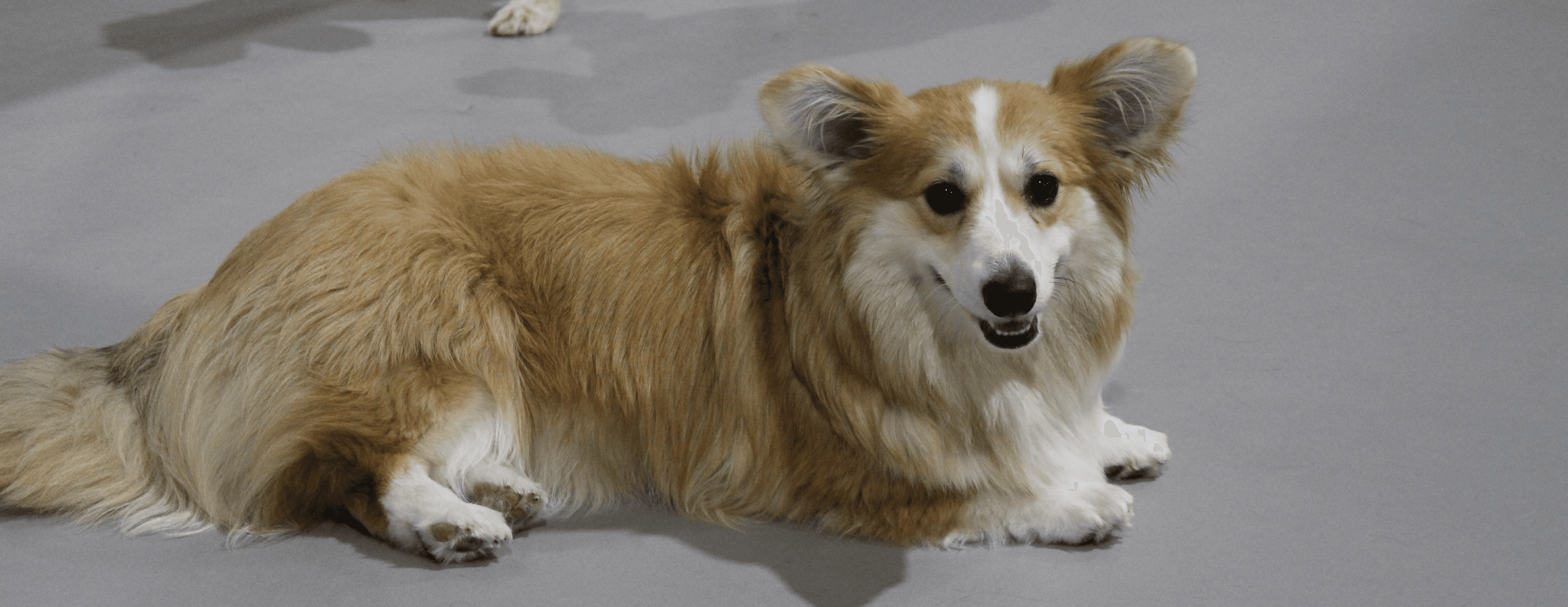
How to Crate Train a Puppy: A Step-by-Step Guide (And Why We Recommend It)
One of the most valuable skills you can teach your puppy is how to feel comfortable and relaxed in a crate.
Unfortunately, crate training sometimes gets a bad reputation because people misunderstand its purpose. When introduced correctly, a crate isn't a punishment—it's a safe, comfortable space where your puppy can rest, relax, and feel secure.
At Oz Wagtails, we strongly recommend crate training for all puppies, regardless of breed or size. Not only does it make life easier at home, but it also prepares your puppy for situations they may encounter throughout their life, including boarding stays, veterinary visits, grooming appointments, travel, and recovery after illness or surgery.
Let's look at why crate training is so important and how to do it successfully.
Why We Recommend Crate Training
It Makes Boarding Less Stressful
Whether your dog stays with us for boarding, visits another boarding facility, or stays overnight at a veterinary clinic, there may be times when they need to spend short periods in a kennel or enclosed area.
Dogs that have been crate trained often adapt much more easily because they already understand that being in a confined space is safe and normal.
Instead of becoming anxious or distressed, they're more likely to settle and relax.
It Helps During Veterinary Visits
Many veterinary clinics use crates or recovery cages after procedures, surgeries, or treatments.
A dog that has never experienced confinement can find this extremely stressful. Crate-trained dogs typically cope much better because the environment feels familiar rather than frightening.
It Creates Calm Around Visitors
Excited puppies often struggle when guests arrive.
A crate can provide a safe place for your puppy to relax while visitors enter the home, preventing jumping, overexcitement, and accidental escapes through open doors.
Many owners find that teaching their puppy to settle in a crate during busy household moments creates a calmer, more manageable dog.
It Assists with Toilet Training
Dogs naturally avoid soiling their sleeping area, making crates a valuable tool when teaching toilet training.
When used correctly, a crate helps puppies learn to hold their bladder and develop good toileting habits.
It Supports Recovery from Injury or Surgery
If your dog ever requires surgery or experiences an injury, your veterinarian may recommend restricted movement during recovery.
A crate-trained dog will generally cope much better with this temporary confinement than a dog who has never been introduced to one.
It Teaches Independence
Many puppies struggle with being alone.
A crate can help puppies learn to settle independently, reducing the likelihood of separation-related behaviours later in life.
Step 1: Choose the Right Crate
Your puppy's crate should be:
Large enough to stand up comfortably
Large enough to turn around
Large enough to lie down fully stretched out
Not so large that they can toilet in one corner and sleep in another
The goal is to create a cosy, secure space rather than a large play area.
Step 2: Make the Crate a Positive Place
Start by leaving the crate door open and allowing your puppy to explore it freely.
Place inside:
Comfortable bedding
Favourite toys
Treats
Food puzzles
Long-lasting chews
Let your puppy discover that good things happen inside the crate.
Avoid forcing them in or closing the door immediately.
Step 3: Feed Meals in the Crate
One of the easiest ways to build positive associations is to feed meals inside the crate.
Start by placing the food bowl near the entrance and gradually move it further inside over several days.
Most puppies quickly learn that the crate predicts something enjoyable.
Step 4: Introduce Short Crate Sessions
Once your puppy is happily entering the crate, begin closing the door for short periods.
Start with:
5–10 seconds
Then 30 seconds
Then 1 minute
Gradually increasing over time
Stay nearby initially and reward calm behaviour.
The goal is for your puppy to remain relaxed before progressing to longer durations.
Step 5: Teach Calmness, Not Just Confinement
Many owners accidentally teach puppies that crates are exciting places by constantly talking to them or rewarding every movement.
Instead, reward calm behaviours such as:
Lying down
Resting quietly
Relaxing
Settling independently
The crate should become a place where your puppy learns to switch off and relax.
Step 6: Practise Leaving the Room
Once your puppy is comfortable with you nearby, begin stepping away for short periods.
Start with:
Walking to the other side of the room
Leaving for a few seconds
Gradually increasing the duration
Return calmly and avoid making arrivals and departures a big event.
This helps build confidence and independence.
Step 7: Use the Crate During Everyday Life
The best crate training happens when it becomes part of your routine.
Use the crate when:
Visitors arrive
You're cooking dinner
You're working from home
Your puppy needs a nap
You're unable to supervise directly
Puppies need a surprising amount of sleep—often 18–20 hours per day. A crate can help encourage the rest they need.
Common Crate Training Mistakes
Using the Crate as Punishment
The crate should never be associated with being "in trouble."
If your puppy only goes into the crate after doing something wrong, they'll quickly learn to dislike it.
Moving Too Fast
Some puppies adapt quickly, while others need more time.
Progress at your puppy's pace and focus on creating positive experiences.
Letting Puppies Cry for Long Periods
A small amount of frustration may occur during training, but prolonged distress isn't the goal.
If your puppy is becoming increasingly upset, return to an easier step and build confidence gradually.
Expecting Too Much Too Soon
Young puppies have limited bladder control and emotional maturity.
Keep sessions short and set realistic expectations.
Crate Training and Daycare
At Oz Wagtails, we love helping puppies develop confidence, social skills, and life skills that prepare them for adulthood.
Crate training complements puppy training and daycare by teaching dogs how to settle, self-regulate, and relax when excitement isn't required.
A puppy who can play appropriately, interact with other dogs, and then calmly settle and rest is developing an important life skill that benefits them for years to come.
Final Thoughts
Crate training isn't about restricting your puppy—it's about giving them a safe space and teaching them how to feel comfortable in a variety of situations.
Whether it's a boarding stay, a trip to the vet, visitors coming over, recovery after surgery, or simply learning how to relax at home, crate training provides your puppy with valuable skills that make life easier and less stressful.
Like any form of training, success comes from patience, consistency, and positive experiences.
The earlier you start, the easier it often becomes—and your future dog will thank you for it.
How to Crate Train a Puppy: A Step-by-Step Guide (And Why We Recommend It)
One of the most valuable skills you can teach your puppy is how to feel comfortable and relaxed in a crate.
Unfortunately, crate training sometimes gets a bad reputation because people misunderstand its purpose. When introduced correctly, a crate isn't a punishment—it's a safe, comfortable space where your puppy can rest, relax, and feel secure.
At Oz Wagtails, we strongly recommend crate training for all puppies, regardless of breed or size. Not only does it make life easier at home, but it also prepares your puppy for situations they may encounter throughout their life, including boarding stays, veterinary visits, grooming appointments, travel, and recovery after illness or surgery.
Let's look at why crate training is so important and how to do it successfully.
Why We Recommend Crate Training
It Makes Boarding Less Stressful
Whether your dog stays with us for boarding, visits another boarding facility, or stays overnight at a veterinary clinic, there may be times when they need to spend short periods in a kennel or enclosed area.
Dogs that have been crate trained often adapt much more easily because they already understand that being in a confined space is safe and normal.
Instead of becoming anxious or distressed, they're more likely to settle and relax.
It Helps During Veterinary Visits
Many veterinary clinics use crates or recovery cages after procedures, surgeries, or treatments.
A dog that has never experienced confinement can find this extremely stressful. Crate-trained dogs typically cope much better because the environment feels familiar rather than frightening.
It Creates Calm Around Visitors
Excited puppies often struggle when guests arrive.
A crate can provide a safe place for your puppy to relax while visitors enter the home, preventing jumping, overexcitement, and accidental escapes through open doors.
Many owners find that teaching their puppy to settle in a crate during busy household moments creates a calmer, more manageable dog.
It Assists with Toilet Training
Dogs naturally avoid soiling their sleeping area, making crates a valuable tool when teaching toilet training.
When used correctly, a crate helps puppies learn to hold their bladder and develop good toileting habits.
It Supports Recovery from Injury or Surgery
If your dog ever requires surgery or experiences an injury, your veterinarian may recommend restricted movement during recovery.
A crate-trained dog will generally cope much better with this temporary confinement than a dog who has never been introduced to one.
It Teaches Independence
Many puppies struggle with being alone.
A crate can help puppies learn to settle independently, reducing the likelihood of separation-related behaviours later in life.
Step 1: Choose the Right Crate
Your puppy's crate should be:
Large enough to stand up comfortably
Large enough to turn around
Large enough to lie down fully stretched out
Not so large that they can toilet in one corner and sleep in another
The goal is to create a cosy, secure space rather than a large play area.
Step 2: Make the Crate a Positive Place
Start by leaving the crate door open and allowing your puppy to explore it freely.
Place inside:
Comfortable bedding
Favourite toys
Treats
Food puzzles
Long-lasting chews
Let your puppy discover that good things happen inside the crate.
Avoid forcing them in or closing the door immediately.
Step 3: Feed Meals in the Crate
One of the easiest ways to build positive associations is to feed meals inside the crate.
Start by placing the food bowl near the entrance and gradually move it further inside over several days.
Most puppies quickly learn that the crate predicts something enjoyable.
Step 4: Introduce Short Crate Sessions
Once your puppy is happily entering the crate, begin closing the door for short periods.
Start with:
5–10 seconds
Then 30 seconds
Then 1 minute
Gradually increasing over time
Stay nearby initially and reward calm behaviour.
The goal is for your puppy to remain relaxed before progressing to longer durations.
Step 5: Teach Calmness, Not Just Confinement
Many owners accidentally teach puppies that crates are exciting places by constantly talking to them or rewarding every movement.
Instead, reward calm behaviours such as:
Lying down
Resting quietly
Relaxing
Settling independently
The crate should become a place where your puppy learns to switch off and relax.
Step 6: Practise Leaving the Room
Once your puppy is comfortable with you nearby, begin stepping away for short periods.
Start with:
Walking to the other side of the room
Leaving for a few seconds
Gradually increasing the duration
Return calmly and avoid making arrivals and departures a big event.
This helps build confidence and independence.
Step 7: Use the Crate During Everyday Life
The best crate training happens when it becomes part of your routine.
Use the crate when:
Visitors arrive
You're cooking dinner
You're working from home
Your puppy needs a nap
You're unable to supervise directly
Puppies need a surprising amount of sleep—often 18–20 hours per day. A crate can help encourage the rest they need.
Common Crate Training Mistakes
Using the Crate as Punishment
The crate should never be associated with being "in trouble."
If your puppy only goes into the crate after doing something wrong, they'll quickly learn to dislike it.
Moving Too Fast
Some puppies adapt quickly, while others need more time.
Progress at your puppy's pace and focus on creating positive experiences.
Letting Puppies Cry for Long Periods
A small amount of frustration may occur during training, but prolonged distress isn't the goal.
If your puppy is becoming increasingly upset, return to an easier step and build confidence gradually.
Expecting Too Much Too Soon
Young puppies have limited bladder control and emotional maturity.
Keep sessions short and set realistic expectations.
Crate Training and Daycare
At Oz Wagtails, we love helping puppies develop confidence, social skills, and life skills that prepare them for adulthood.
Crate training complements puppy training and daycare by teaching dogs how to settle, self-regulate, and relax when excitement isn't required.
A puppy who can play appropriately, interact with other dogs, and then calmly settle and rest is developing an important life skill that benefits them for years to come.
Final Thoughts
Crate training isn't about restricting your puppy—it's about giving them a safe space and teaching them how to feel comfortable in a variety of situations.
Whether it's a boarding stay, a trip to the vet, visitors coming over, recovery after surgery, or simply learning how to relax at home, crate training provides your puppy with valuable skills that make life easier and less stressful.
Like any form of training, success comes from patience, consistency, and positive experiences.
The earlier you start, the easier it often becomes—and your future dog will thank you for it.

Get in touch today!
(07) 3279 6199
Get in touch